
They win on footprint, not on resolution
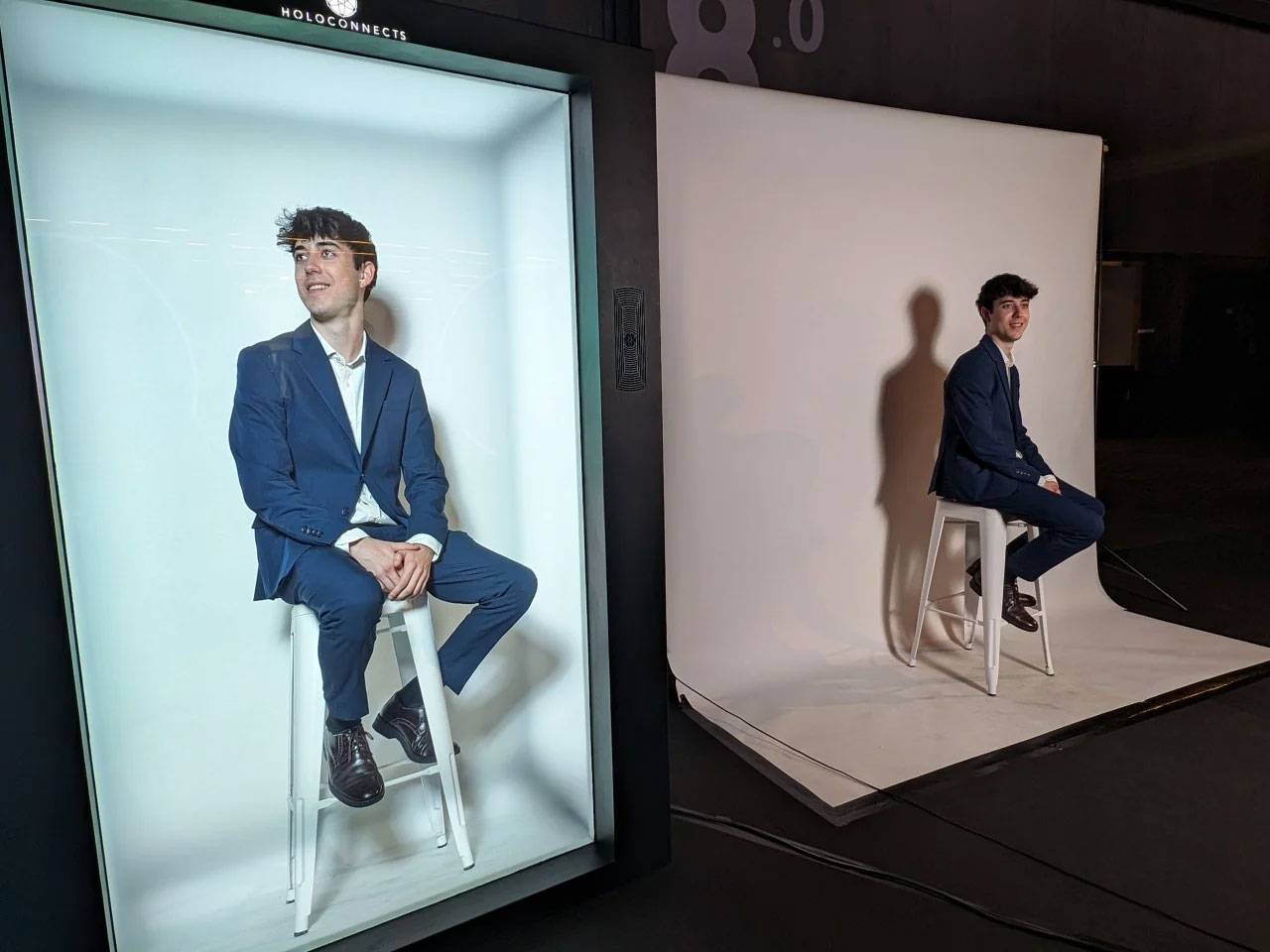
A holographic box occupies about two square metres and stops traffic from three directions. A screen of comparable stopping power needs a wall, and a wall costs you stand depth you may not have.
If your stand is under 30 square metres, the footprint argument alone usually decides it.
Best for products you cannot ship
Volumetric display earns its cost when the real product is too large, too expensive or too regulated to bring to the hall — machinery, vehicles, medical devices, architecture.
For products you can physically put on a plinth, spend the money on lighting instead.
Mixed reality needs a host
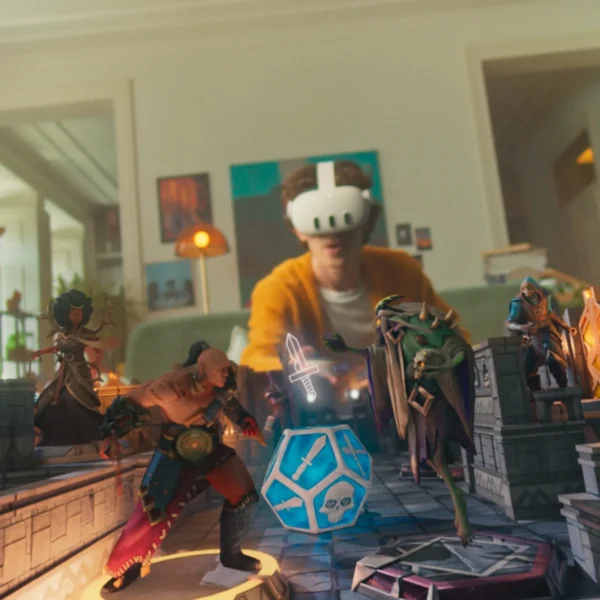
Headset-based experiences have high per-guest impact and low throughput. Never run them unhosted: hygiene, fitting and onboarding all need a person, and an unattended headset station reads as abandoned within ten minutes.
Plan four to six minutes per guest and size the queue accordingly.
// The takeaway
Hologram for unshippable products and tight stands; mixed reality only with a host and a realistic queue plan.
Get a quote →