Every festival activation is really one of three mechanics
Strip the scenography away and the activations that generate content at desert festivals fall into three buckets: a hero capture moment, a personalised takeaway, and a queue-worthy spectacle. Everything else — the set design, the talent, the guest list — is packaging around those mechanics.
That is good news for brand teams working with European budgets and a four-week lead time. You do not need a bespoke pavilion to get the same output; you need the mechanic, a strong art direction layer, and a crew that has run it a hundred times before.
1. The hero capture moment
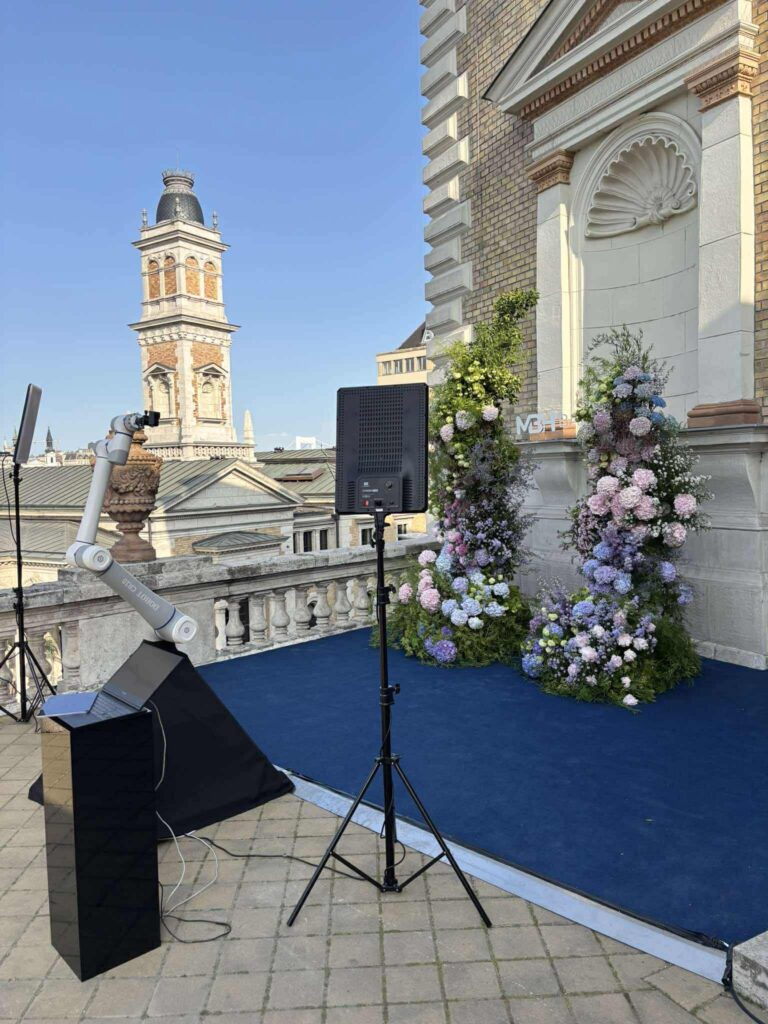
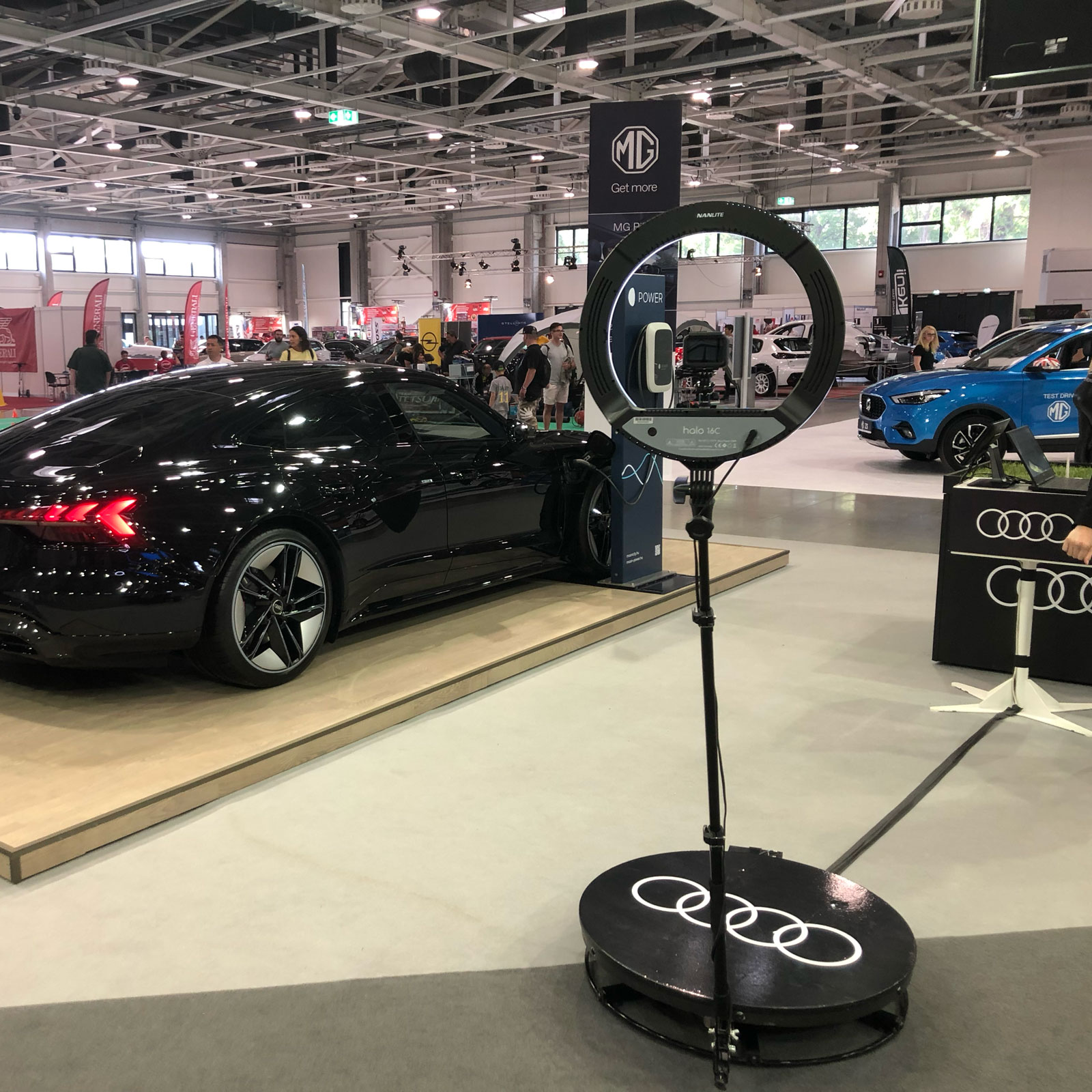
Slow-motion cameras on rigs are the single most copied festival format, because the output is vertical, sound-designed and instantly postable. A 360 Spinner or a Glambot arm produces the same cinematic sweep as a custom camera rig at a fraction of the build cost, and it arrives pre-branded with your intro and outro animation.
Practical tip: budget one operator per capture unit and plan for 60–90 guests per hour. If your footfall is higher, add a second unit rather than shortening the experience — cutting the take is what kills shareability.
2. The personalised takeaway
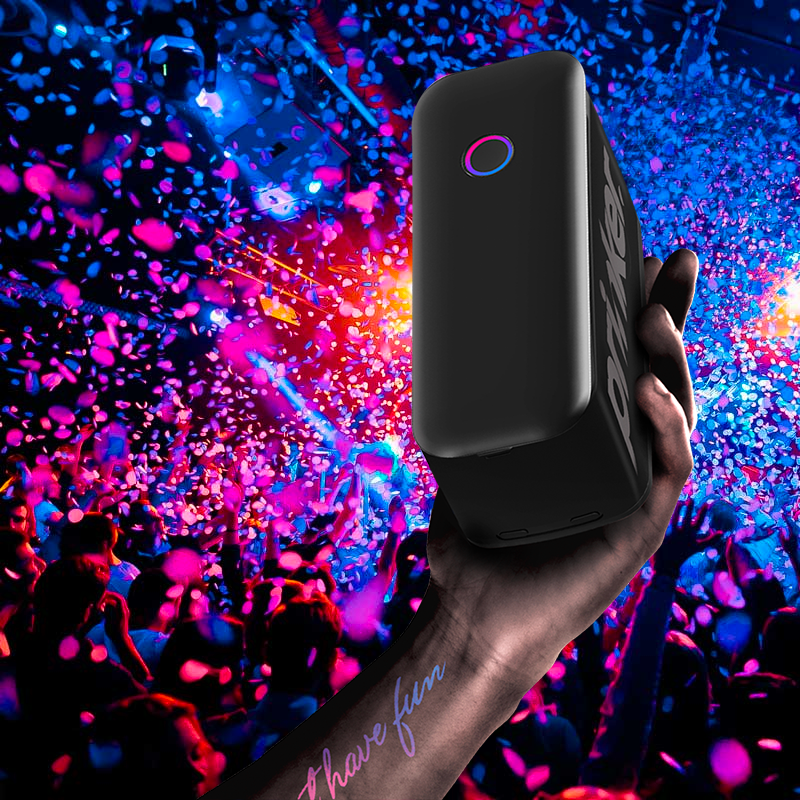
Merch drops work because the guest leaves holding something with their name on it. Temporary tattoo printers, printed drink toppers and trading-card generators all do this in under a minute per guest, and they scale far better than a screen-printing station.
The metric to watch is not units produced but units still visible three hours later. Wearables and drinkables outperform paper every time.
3. The queue-worthy spectacle
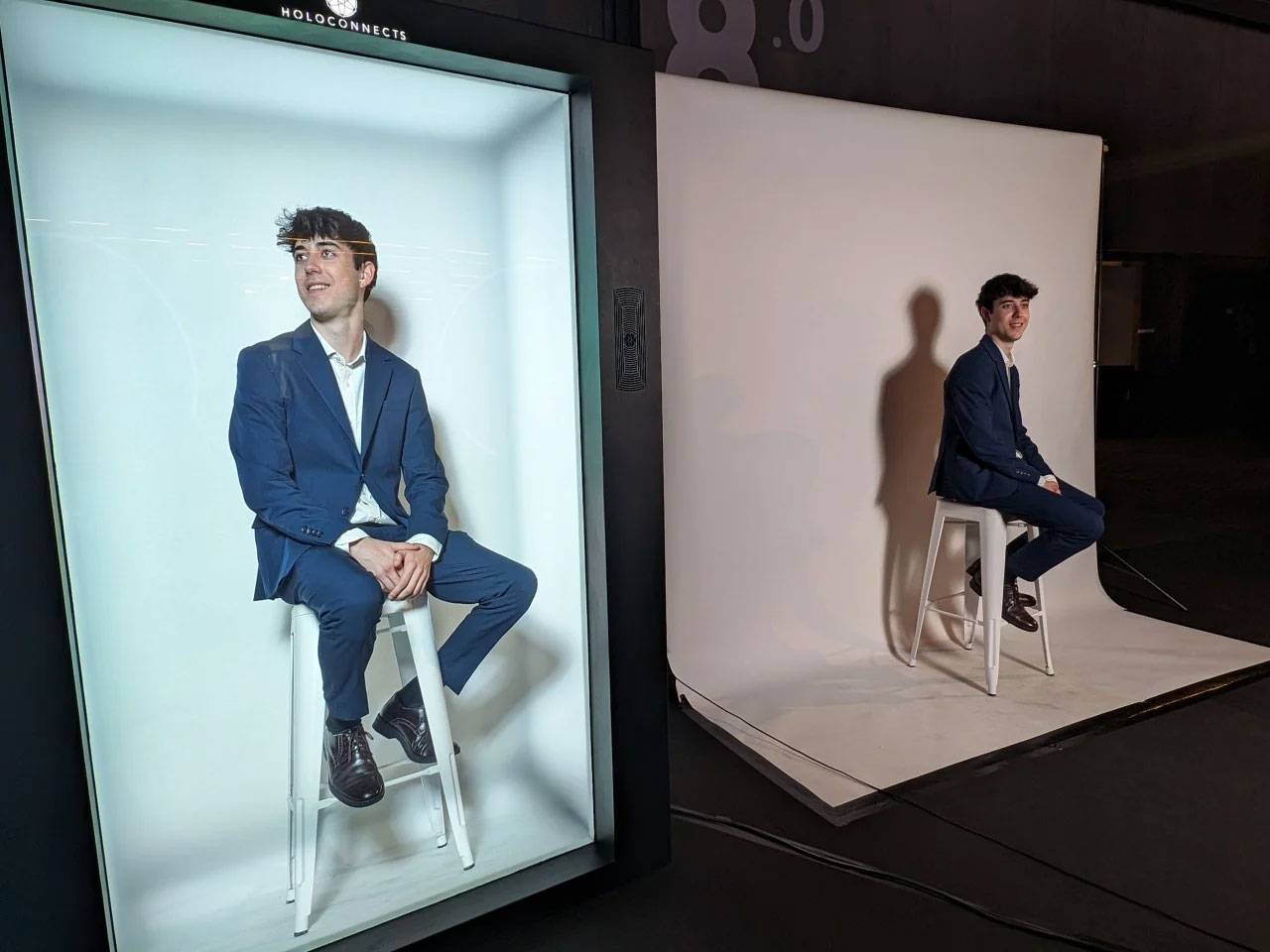
Holographic displays and mixed-reality stages do the job a stage set used to do: they stop foot traffic. A holobox in a 2x2 metre footprint pulls a crowd in a way a printed backdrop never will, and it doubles as a product display when the activation is idle.
Pair spectacle with capture. A crowd that stops but has nothing to post is a wasted queue.
// The takeaway
Pick one mechanic per zone, brand it properly, and staff it. Three well-run turnkey units beat one under-resourced custom build.
Get a quote →